
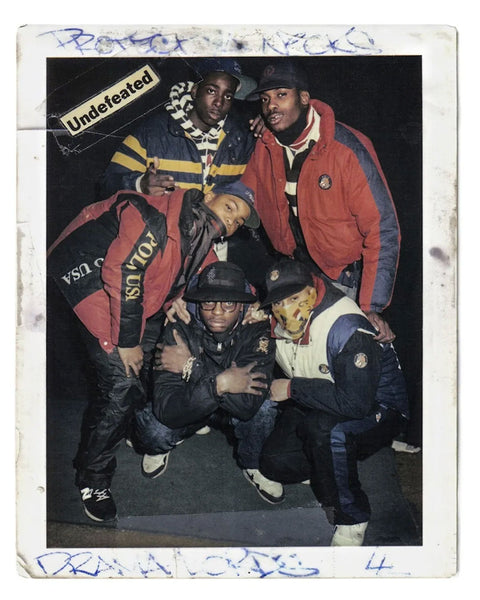
199® influences
199® did not come from a fashion trend. it came from 30 years of living the culture.
it did not come from trend forecasting. it did not come from moodboards filled with fake nostalgia. it did not come from watching luxury brands reinterpret street culture after they spent twenty years looking down on it.
199® came from the street level.
from the kids standing outside stores with no money but perfect taste.
from skateparks.
from train stations.
from cracked concrete.
from underground music scenes.
from old fitted caps bent perfectly after years of wear.
from searching three suburbs away for one piece nobody else had.
from understanding that style was never about money. it was about identity.
modern fashion keeps trying to recreate this energy artificially because brands realised culture sells better than products. the problem is most of them are recreating something they never actually lived through.
you can always tell.
the references are too clean.
too obvious.
too curated.
real influence is messier than that.
199 was built from decades of absorbing culture naturally. thirty years of seeing trends come and go while the real foundations stayed the same. that foundation was never about labels alone. it was about belonging somewhere outside the mainstream.
street culture raised entire generations without asking permission from anybody.
that is where 199® came from.
the influence starts in the 90s.
before streetwear became a business strategy.
before every second person online called themselves a creative director because they owned a pinterest account.
back then you found style through experience. you built identity through discovery. you did not get spoon-fed culture through algorithms. you searched for it yourself.
that process shaped people differently.
you would see a guy wearing a perfectly faded cap on the train and spend weeks trying to figure out where it came from. somebody would have a jacket you had never seen before and it would stay in your head for months. rare products carried mythology because information moved slower.
scarcity was real.
and because scarcity was real, people respected products differently.
that mentality sits inside 199 heavily.
the influence also came from skateboarding culture. not the polished x games version. real skateboarding culture. the kind built around destroying shoes, carrying injuries, filming clips endlessly, and finding identity through repetition.
skateboarding teaches people to value authenticity very quickly because the culture rejects forced behaviour immediately. you cannot fake participation for long. either you actually skate or you do not.
that honesty influenced the entire mentality behind 199®.
the same applies to graffiti culture.
graffiti was never clean. never approved. never commercial in its purest form. it existed because people wanted presence in spaces that ignored them. style mattered deeply. originality mattered even more.
biting somebody else’s style got exposed instantly.
that same principle shaped 199®.
originality matters.
not manufactured uniqueness designed by marketing teams. actual originality rooted in personal history.
hip hop culture also played a huge role in shaping the brand influence. especially the era before rap became hyper-commercialised luxury advertising. back when regional identity still mattered. when crews dressed differently depending on where they came from. when style reflected neighbourhoods, music scenes, and local influence instead of everybody chasing identical designer fits from social media.
the lo-life mentality out of brooklyn had influence too. not just visually. philosophically.
the obsession with finding pieces.
the emotional connection to clothing.
the idea that garments carried status because they represented effort, discovery, and understanding rather than simple affordability.
that mentality changed how people viewed fashion permanently.
199® understands that deeply.
japanese street culture also left fingerprints all over the brand.
japan understood something early that the rest of the fashion world ignored for years: details matter. construction matters. fit matters. fabric matters. small differences matter.
japanese consumers respected products properly. they studied brands deeply. they understood the history behind garments instead of blindly consuming whatever was new.
that level of appreciation influenced 199® heavily.
especially the restraint.
japanese design often says more by doing less. the confidence comes from precision rather than excess. that same philosophy exists inside the brand.
muted tones.
perfect fits.
subtle details.
nothing screaming for attention.
people who understand, understand.
that approach carries far more longevity than trend-driven design.
new york influenced the aggression.
not literal aggression. energy.
movement.
pressure.
the constant friction between survival, style, and ambition.
new york street culture always carried sharpness to it because the city itself forces sharpness out of people. everybody moves faster. talks faster. judges quicker. weak ideas disappear immediately.
that energy shaped the direct tone behind 199®.
no over-explaining.
no fake friendliness.
no begging for acceptance.
just clarity.
australian street culture also shaped the brand heavily, although it often gets overlooked globally. australia produced entire generations of kids raised between skateboarding, surf culture, hip hop, graffiti, workwear, and sportswear without overcomplicating any of it.
australian style at its best always carried functionality underneath it.
nothing too polished.
nothing trying too hard.
people wore things properly because they actually lived in them.
that authenticity influenced the fit philosophy behind 199 massively.
the fit needed to feel lived in.
not overly technical.
not fashion-school experimental.
just correct.
people outside headwear culture never understand how deep this goes. they think a cap is just branding stitched onto fabric. that misunderstanding is exactly why most headwear brands fail.
fit is identity.
the curve matters.
the depth matters.
the crown shape matters.
how it sits after months of wear matters.
people who grew up inside hat culture understand this instantly.
everybody else usually catches up later.
that obsession with fit came from years of wearing hats daily. not occasionally. daily.
sun-faded hats.
sweat-stained hats.
brims reshaped hundreds of times.
hats becoming part of someone’s personality over years rather than weeks.
that relationship with headwear influenced 199® more than fashion ever did.
music influenced the brand too, but not in the obvious commercial way.
not celebrity endorsement culture.
not playlists designed by brands pretending to understand underground scenes.
real music culture.
mixtapes.
record stores.
local scenes.
underground gigs.
regional sounds.
the feeling of hearing something before everybody else did.
that emotional attachment to discovery shaped the entire mentality behind 199 releases. every drop should feel discovered rather than advertised to death.
that is why the brand avoids overexposure.
too much visibility ruins mystery.
mystery matters.
the internet killed a lot of mystery in fashion. everybody sees everything instantly now. brands overpost themselves into irrelevance chasing engagement metrics.
199® prefers restraint.
not every process needs documenting.
not every idea needs announcing.
not every product needs twenty pieces of content explaining why it matters.
if the product is strong enough, people feel it.
another influence behind 199® came from frustration.
frustration with modern streetwear becoming increasingly fake.
too many brands built entirely around aesthetics without understanding any of the culture underneath them. brands copying references they discovered six months earlier and presenting them like original thought.
streetwear became full of tourists.
people visiting culture temporarily because it became profitable.
that shift pushed 199® further toward authenticity and restraint.
the brand would rather stay respected quietly than become loudly commercial and culturally empty.
that influences production too.
only 99 pieces per release.
because once products become too available, they lose emotional weight.
people value what feels intentional.
mass production removes intention from products. everything becomes numbers, margins, forecasts, and scale. fashion companies stop making products for people and start making products for spreadsheets.
199 rejects that mentality completely.
the influence behind the small-run philosophy also came from old independent brands that stayed true to themselves even without massive growth. skate brands. record labels. graffiti magazines. niche japanese labels. small boutiques hidden in side streets.
businesses built around identity rather than expansion.
that world inspired 199® heavily.
the goal was never to become the biggest.
the goal was always to build something real enough that the right people would recognise it immediately.
and the right people always do.
they recognise the restraint.
they recognise the references.
they recognise the patience.
because patience itself became part of the influence too.
the first headwear designs took seven years to refine because rushing destroys depth. seven years obsessing over fit, fabrics, trims, embroidery, construction, shape, and feel.
that amount of time sounds irrational to people trained by fast fashion culture.
good.
most fast fashion thinking deserves rejection anyway.
products should take time if they are meant to last emotionally.
that is another thing influencing 199® deeply: permanence.
not permanence through durability alone. emotional permanence.
products people remember.
products people keep.
products attached to periods of life.
the best hats become personal archives. they carry years inside them. sweat marks. sun fading. travel. memory. identity.
disposable products never achieve that.
199® was designed specifically against disposability.
even the visual palette reflects the influences behind the brand.
concrete greys.
washed blacks.
muted olive.
cream tones.
industrial textures.
night-time city colours.
nothing glossy.
nothing over-designed.
the visual world came from train stations, alleyways, old sportswear, faded signage, steel shutters, underground clubs, and the imperfect textures of real environments.
perfection is boring.
texture tells truth.
that idea sits underneath everything 199® creates.
at its core, the influence behind 199® came from people who built identity before social media existed to validate it publicly.
that generation moved differently.
you dressed for yourself and your immediate world, not for engagement numbers. trends travelled slower. discovery meant more. products lasted longer emotionally because fewer people had access to them.
199® carries that mentality forward intentionally.
not because the past was perfect.
because certain values disappeared when culture became content-first.
now everybody performs identity publicly all day.
199® prefers substance over performance.
that is why the brand speaks directly.
that is why the tone feels abrupt sometimes.
because real culture was never overly polished. real street culture had friction to it. personality. sharp edges. humour. brutal honesty.
199® inherited all of that naturally.
the brand exists as a product of lived experience, not observation from a distance.
that distinction matters more than ever now.
anybody can imitate aesthetics.
very few can imitate history convincingly.
199® does not need to imitate it.
it came from it.